

Neurowellness–One of the Biggest Wellness Trends of 2026
Sure, regulating the nervous system has become the latest flex and hashtag, but it’s more than a trend, it’s a much-needed next frontier in human health. It includes somatic, self-directed practices that influence the nervous system through conscious control of the body and a new wave of autonomic, tech-driven interventions that regulate the system more directly, working on involuntary circuits beyond conscious control.
It’s not breaking news that nervous system regulation is this year’s viral trend. On TikTok, roughly 230,000 videos alone lie beneath the hashtag #nervoussystemhealing. Our 2026 trend, “The Rise of Neurowellness” by Heidi Moon, goes deep into why it’s far more than a fleeting trend. It’s a set of both lo-fi and high-tech interventions that tackle exactly what we need in our modern, digital lives. Our nervous systems weren’t designed for relentless digital stimulation, work without boundaries, and the whiplash of daily bad news and division.
Global surveys reveal what our era of digital bombardment and multi-crises is doing to the human brain. For instance, Gallup’s 2025 data on 144 countries shows that 40% of people report high anxiety on any given day. In the UK, 36% report they’ve suffered burnout in the last year. But beneath all this stress and burnout lies a deeper physiological issue: our nervous systems are dysregulated, stuck in fight-or-flight mode, leading to everything from ruined sleep to hormonal disruption.
If wellness’s original focus was stress reduction, people’s needs have moved beyond occasional, reactive fixes. That’s why everyday regulation of the nervous system is becoming a new pillar for wellness. It’s striking how delayed these solutions were from the wellness world. Neurowellness may be rising because of a macro shift now underway: moving past years of stressful optimization toward relief, building resilience, and restoring connection to the body. The next wellness era is about bio-harmonization over biohacking.
Neurowellness is an interesting space because it spans a spectrum—from “soft” somatic practices, to “hard-care” neurotech, to what may come next: ambient, built-in regulation.
Simple somatic approaches: Longstanding wellness anchors are being reframed as nervous-system medicine: breathwork, touch therapy, yoga, ice baths, Feldenkrais—even humming and chanting. These approaches require active participation but are increasingly recognized for their measurable effects on regulation, making them more mainstream, repeatable, and sometimes even prescribed.
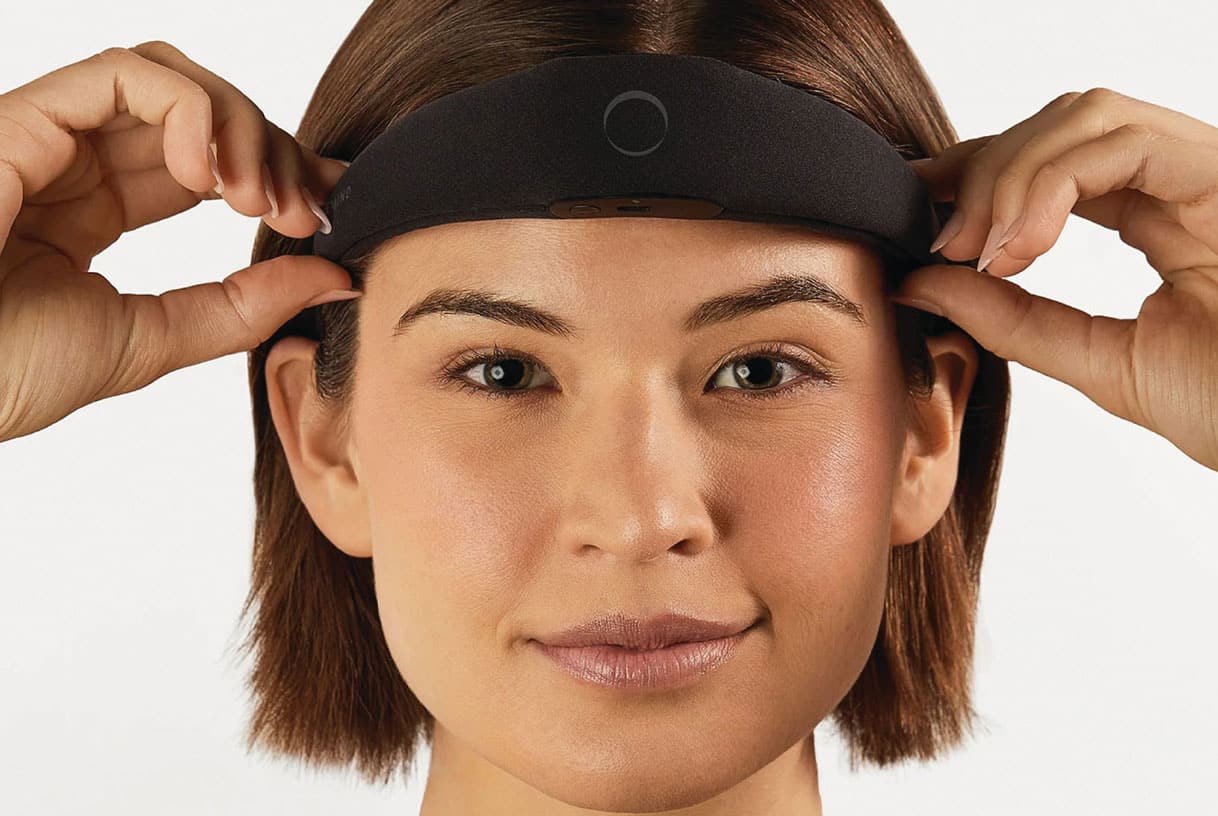
“Hard-care” neurotech: The new wave of consumer-facing neurotech is focused on regulating the nervous system more directly, often working on the autonomic layer rather than relying on conscious effort. Many solutions focus on stimulating the vagus nerve, the longest in our body and the cornerstone of the parasympathetic nervous system. Pulsetto uses low-level Bluetooth energy to stimulate the vagus nerve for mental health and sleep. yōjō, an earpiece, combines vagus nerve stimulation, biofeedback, and personalized guidance to help calm people’s bodies and minds. Very different neuromodulation devices include Elemind, a headband that measures EEG brain signals in the brain and uses acoustic stimulation to move people into a sleep state, and Flow, an FDA-approved device that brings transcranial direct current stimulation (tDCS) home, set to launch this summer in the US and EU.
It feels like a neurotech startup raises a few million in VC every couple of weeks. One of the latest: Mave Health, a brain-stimulating headset that aims to regulate stress, improve mood, and even measure mental health.
The Future? Environmental Neurowellness: Whether somatic or high-tech, these approaches require that people do or use something. The next chapter in nervous system regulation may be it becoming ambient, disappearing into environments. In cities, architecture and design can reduce nervous system overload with moves like quiet corridors, sound-softened public buildings and transit, and shared decompression spaces. The research project VELUM is creating a new category of immersive experiences intentionally rich in nervous-system regulatory cues, designed to work on people without effort or use of a device, and deployable everywhere from wellness destinations to healthcare institutions. Their founder, Deron Triff, will share his work at GWS’s Wellness Real Estate Symposium on May 12, alongside Susan Magsamen, Freddie Moross, and Ari Peralta.
Neurowellness represents a major evolution for the wellness industry. Nervous system regulation will increasingly become a quietly built-in feature, whether at fitness studios, homes, hospitality destinations, or healthcare. The risk is that its trendiness sends it down the familiar path of the over-hyped wellness cycle, always moving on to “next.” But this shift feels far more foundational.
The Future of Wellness report goes in depth on ten trends that will transform wellness in 2026 and beyond. It can be purchased HERE.
Exclusive Sponsor of The Future of Wellness 2026 Trend Report

The TRENDIUM is a compendium of the latest trends impacting the multi-trillion dollar global wellness economy.