

The Over-Optimization Backlash
Pushing back on peak wellness
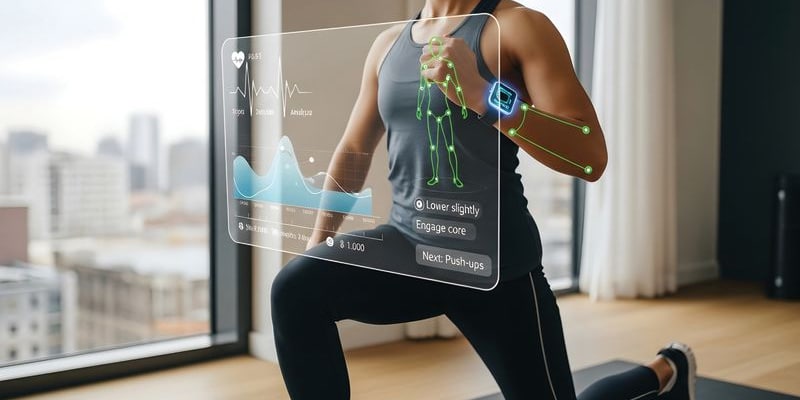
In the last three years, the wellness space has been rewritten by high-tech, hyper-optimizing approaches—from the avalanche of diagnostics and wearables to the new obsession with biohacking our way into longevity. We’ve tracked our steps, scored our sleep, and stared at calculations of our “true biological age” in a new wellness culture of constant, competitive self-surveillance.
Our modern paradox: never before has health been so measurable—and never before has it felt so psychologically demanding. Wellbeing has shifted from something we feel to something we perform correctly; it treats the body as a system to hack rather than a state to inhabit.
But for every mega-force there is a counterforce. And our 2026 wellness trend, “The Over-Optimization Backlash,” written by Jessica Smith, details how with more people maxed out on “maxxing” everything, wellness in 2026 will move beyond performance—and the body as perfectible machine—towards emotional repair, nervous-system safety and embodied care. Wellness experiences will seize on what humans actually are: imperfect, emotional, relational and sensory—and hardwired to seek pleasure and joy.
The fastest-growing spaces in wellness will prioritize meaning over measurement, catharsis over clinical data, and self-expression over self-surveillance. What’s emerging is not a rejection of science or technology, but a recalibration that prioritizes regulation over results, sensation over scores, and internal coherence over external validation.
There’s certainly been a recent “pleasure deficit” in wellness, from diagnostics-as-vacation to GLP-1s not only suppressing appetite, but muting desire more broadly. People want experiences that reignite feeling, spontaneity and connection: where the most important “measurement” is how fully alive we feel.
When we reject over optimization it doesn’t just leave a void, it opens up new wellness experiences and solutions…
Some new directions covered in the report:
Emotional Release Rituals: People are craving permission to unravel—from scream circles and rage-led group sessions going viral on TikTok to crying clubs in India to practices such as spinal energetics, built on established somatic and trauma principles, but that shift the focus from deliberate expression to involuntary release.
Pleasure-Forward Wellness: Spanning everything from the social sauna explosion as communal ritual, not endurance to immersive sensory installations (such as The Forest Within in NYC) using sound, scent, light and stillness to slow perception, deepen presence, and inviting people to feel.
Fun-ctional Diets: After decades of free-from logic—cutting sugar, gluten or carbs—consumers are rejecting dietary moralism in favor of food freedom and pleasure-forward food.
Post-Performance Fitness: From global brands like On and Nike ditching sports performance language for campaigns about softness, presence and joy to the rise of anti-metric fitness cultures: slow and analog running clubs and athletes deliberately leaving trackers behind.
Nervous System Tech: The wellness tech with real momentum doesn’t push, score or correct the body, it regulates it, with so many new tools that focus on calming the nervous system, intuitive recovery and emotional attunement.
Regulation Wear: The new frontier in product and textile design treats materials not as passive surfaces but as active tools for emotional and physiological support.
Low-Stimulation Wellness Travel: Destinations are embracing intentionally still, unstructured experiences that reduce noise and are all about presence, such as star bathing and lunar ceremonies booming at resorts worldwide.
Mindful Aesthetics: Over-optimized beauty is also being rejected: more people that flocked to procedures are now undoing them. Aesthetic clinics, like London- and Dubai-based Ouronyx, don’t lead with procedures, but rather psychologically informed consultations that seek to understand a client’s values, life stage and emotional relationship with aging.
Invisible Care: With fatigue around constant self-monitoring and screens, the next tracking technologies are moving out of dashboards and into the background—embedding health data into everyday life without demanding attention and quietly regulating the body in the background.
The Future of Wellness report goes in depth on ten trends that will transform wellness in 2026 and beyond. It can be purchased HERE.
Exclusive Sponsor of The Future of Wellness 2026 Trend Report

The TRENDIUM is a compendium of the latest trends impacting the multi-trillion dollar global wellness economy.