
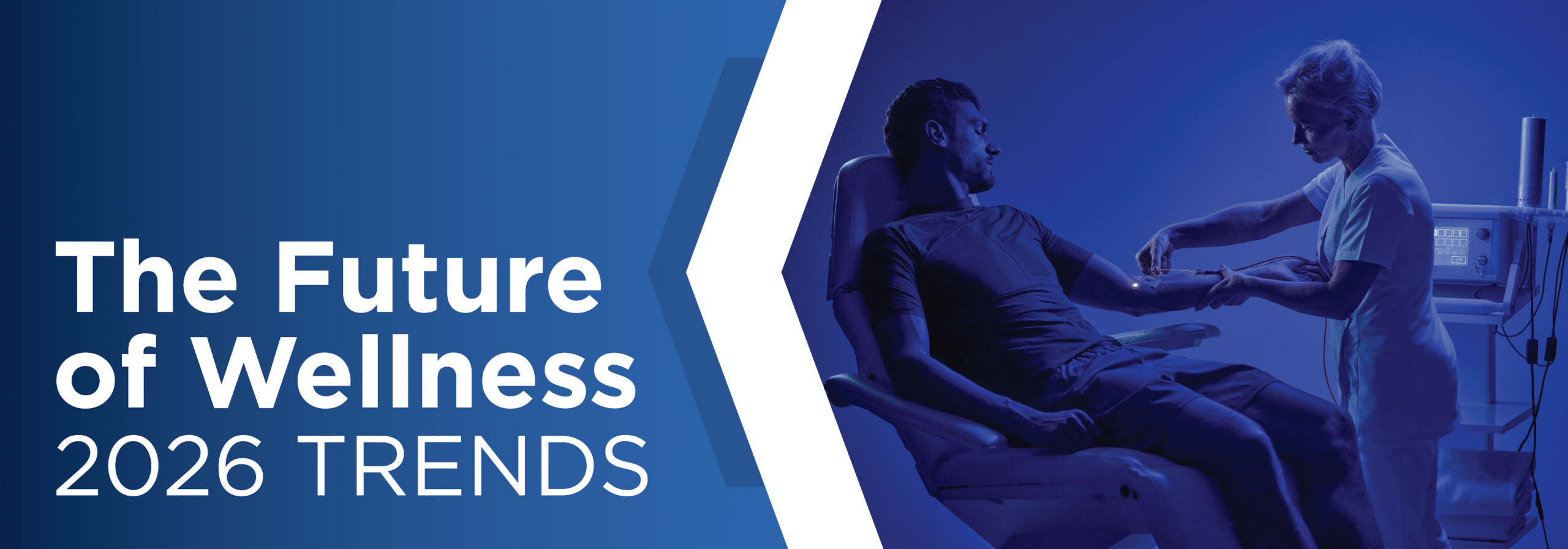

TREND #10: Longevity Residences
Healthspan finally comes home
By Jane Kitchen
Overview
A new category of “longevity residences” is emerging within wellness real estate, designed to support longer, healthier lives. This trend signals a major shift in how—and where—longevity is delivered, as real estate becomes an active participant in extending healthy life rather than a passive backdrop. Around the world, a new generation of longevity-focused communities is embedding preventive medicine, advanced diagnostics, biohacking and AI-driven personalization directly into daily living. The Estate is building a global network of residences where architecture, circadian lighting, diagnostics and concierge medicine operate as a continuous longevity system; Australia’s Elysium Fields has plans to pair luxury living with on-site MRIs, brain scans and anti-ageing clinics; Velvaere in Utah will integrate Fountain Life’s early-detection diagnostics into its ski-in, ski-out community; and Tri Vananda in Thailand is blending medical longevity science with holistic design, biophilia and multigenerational living. Unlike traditional wellness real estate, these residences go deeper—tracking biomarkers, personalizing care over decades and removing friction from proactive health behaviors. Fueled by an aging global population, soaring investment in longevity tech and the rise of concierge medicine, longevity residences reflect a growing realization that true healthspan gains happen at home, not during one-off clinic stays. For culture and capital alike, the message is clear: longevity is no longer a service you visit—it’s a lifestyle you live in, and the home is becoming the most powerful longevity tool of all.
Purchase Report | View All 10 Trends | GWS Writers Page
Longevity Residences: Key Questions & Answers
1. What are longevity residences?
Longevity residences are homes and communities designed to actively support long-term health. They combine wellness design with medical care, diagnostics, and technology to help people live healthier for longer.
2. How are they different from traditional wellness real estate?
Wellness real estate focuses on healthy environments, like clean air, light, and fitness amenities. Longevity residences go further by integrating medical-grade diagnostics, personalized health plans, and ongoing monitoring into daily life.
3. Why is this trend emerging now?
Because people are living longer and thinking differently about aging. There’s a growing desire not just to extend life, but to maintain quality of life over decades.
4. What does “healthspan” actually mean here?
Healthspan refers to the years you live in good health, not just total lifespan. Longevity residences are designed to extend that period by supporting physical, cognitive, and emotional wellbeing over time.
5. What kinds of features do these residences include?
They can include biometric tracking, advanced health screenings, recovery therapies, AI-driven health tools, and environments optimized for sleep, movement, and mental clarity.
6. Is this about luxury living or healthcare?
Right now, it’s mostly positioned as ultra-luxury. But at its core, it’s about integrating healthcare into everyday life, turning the home itself into a platform for prevention and optimization.
7. How does technology play a role?
Technology is central. AI systems can adjust lighting, temperature, and environments based on your biology, while diagnostics and wearables track health in real time, making care continuous rather than occasional.
8. Are these homes meant for older people only?
No. That’s a key shift. Longevity living is being marketed to all ages, with the idea that prevention should start early, not later in life.
9. What are the biggest challenges with this trend?
Accessibility and credibility. Many developments are expensive and serve a small population, and there’s still a question of which offerings are truly impactful versus marketing-driven.
10. What’s next for longevity residences?
They’re likely to evolve from luxury niche to broader infrastructure. Over time, elements like health-focused design, preventive care, and smart environments could become standard in how homes are built and experienced.
Meet the Author

Jane Kitchen
LinkedIn | GWS writer page
Media & Trends Analyst, Global Wellness Summit, United Kingdom
Jane Kitchen has a 20-year career in journalism, specializing in the spa and wellness industry. She is editor-at-large at Spa Business magazine and has traveled the world in the name of wellness—writing first-person features on the latest spa openings, interviewing some of the most influential people in the industry and examining trends shaping the marketplace. She is also the editor of the annual Spa Business Handbook, a key resource for wellness professionals, co-author of its annual Spa Foresight report and a regular contributor to the Global Wellness Summit’s annual trend report.
Watch Author Video
From the 2026 New York Media Event
Discover the top 10 trends shaping the future of the global wellness economy.
Backed by more than a decade of trusted forecasting from the Global Wellness Summit, this annual report goes beyond trend spotting to deliver expert analysis, real-world implications, and strategic insight for leaders, innovators, and investors. Used worldwide to anticipate what’s next in wellness, this is the definitive guide to the forces that will shape the industry in 2026 and beyond.

- Women Get Their Own Lane in Longevity
- The Over-Optimization Backlash
- The Rise of Neurowellness
- Fragrance Layering
- Ready Is the New Well
- Skin Longevity Redefines Beauty
- The Festivalization of Wellness
- Women & Sports: The Revolution Continues
- Tackling Microplastics as a Human Health Issue
- Longevity Residences