

TREND #2: The Over-Optimization Backlash
Pushing Back on Peak Wellness
By Jessica Smith
Overview
We’re living through a modern wellbeing paradox: never before has health been so measurable—and never before has it felt so psychologically demanding. Sleep is scored, glucose is graphed, aging is tracked, and wellbeing has shifted from something we feel to something we perform correctly. Therapists warn that data-driven wellness can tip from motivation into fixation, turning insight into pressure. As health data multiplies, many experience analysis paralysis rather than clarity, overwhelmed by constant self-tracking and fear of “getting it wrong.” While longevity research, diagnostics and health technology have undeniably expanded human potential, optimization without integration is proving costly.
The over-optimization backlash marks a decisive cultural pivot away from peak wellness and toward something far more human. In response, the fastest-growing spaces in wellness are prioritizing nervous-system safety, emotional repair and pleasure over metrics: social saunas are growing around the world as ritual, not endurance; brands like On and Nike are ditching performance language for campaigns about softness, presence and joy; clinics are reframing aesthetics as psychological care rather than correction; and new technologies are quietly regulating the body in the background, without dashboards or demands. From scream circles and somatic release classes going viral on TikTok, to pleasure-forward food, low-stimulation retreats and regulation-focused wearables, the trend is evident: wellness is no longer about optimizing harder—it’s about feeling safer, more connected and more alive.
Purchase Report | View All 10 Trends | GWS Writers Page
The Over-Optimization Backlash: Key Questions & Answers
1. What is the Over-Optimization Backlash?
It’s a cultural recalibration. After a decade of tracking, hacking and scoring every aspect of health, many people are questioning whether constant self-measurement is actually making them feel better. The backlash isn’t against science. It’s against turning wellbeing into a performance.
2. How did optimization become stressful?
What began as empowerment quietly became surveillance. Sleep is scored. Glucose is graphed. Hormones are tracked. Instead of listening to the body, we check dashboards. Research now shows that excessive tracking can increase anxiety, reduce trust in bodily cues and even distort perception of how we feel.
3. What is “optimization fatigue”?
Optimization fatigue is the emotional exhaustion that comes from trying to “do wellness right.” Global studies show rising wellbeing burnout, with many people feeling pressure to constantly improve their bodies, habits and routines. Wellness has started to feel like a second job.
4. Why is biohacking losing credibility?
Because peak performance doesn’t always equal wellbeing. Much of biohacking culture was built around male physiology and extreme discipline. As evidence grows and more women challenge one-size-fits-all protocols, the cultural mood is shifting from hacking the body to inhabiting it.
5. What’s replacing optimization?
Regulation. Emotional safety. Nervous-system repair. Instead of asking “How can I improve this metric?” people are asking, “Do I feel safe? Do I feel connected? Do I feel alive?”
6. Is data the problem?
No. Data without integration is. Diagnostics and longevity science remain powerful. But when measurement replaces intuition, it can undermine agency. The next era of wellness balances insight with embodiment.
7. How is pleasure reshaping wellness?
After years of discipline-driven health, pleasure is being repositioned as functional. Sauna culture, immersive installations, social rituals and “fun-ctional” foods show a shift toward anticipation, joy and sensory engagement as mechanisms for sustainable wellbeing.
8. What is nervous-system wellness?
It’s the recognition that many people are not simply stressed—they’re dysregulated. Chronic vigilance, performance pressure and digital overload keep the body in survival mode. New wellness technologies and practices focus less on pushing performance and more on restoring baseline calm.
9. What is invisible care?
Invisible care embeds health intelligence into daily life without demanding constant attention. Passive diagnostics, hormone-responsive environments and background sensing reduce cognitive load. The most advanced systems may soon be the least visible.
10. What does this trend signal about the future of wellness?
The next chapter of wellbeing will not be defined by how intensely we optimize, but by how deeply we regulate. Less performance. More presence. Less perfection. More coherence. Wellness is shifting from control to connection.
Other Resources Related to the Over-Optimization Backlash

How Wearable Data Is Rewriting the Rules of Human Performance, Longevity and Resilience
2025 Global Wellness Summit Keynote
Kristen Holmes, PhD, Global Head of Performance, Principal Scientist, WHOOP, United States

Pleasure Health: It’s Not Necessarily What You Think
2024 Global Wellness Summit Keynote
Anna Bjurstam, Wellness Pioneer, Six Senses, Sweden
Meet the Author

Jessica Smith
Strategist & Co-founder, MAYAH, United Kingdom
Jessica Smith is a trends researcher, strategist and co-founder working at the intersection of beauty, wellness and culture. With over a decade shaping future-facing thinking, she has contributed strategic insight to global brands including LVMH, Estée Lauder, Lululemon, L’Oréal and Remedy Place. She is also the co-founder of MAYAH, a new personal care brand redefining body care across the full motherhood journey, built on clinically backed formulations and a cultural reframe of maternal wellbeing. Formerly a senior Strategic Futures analyst at The Future Laboratory, Jessica is a recognized authority on trends and consumer behavior. Her writing and insights have been featured in Vogue, The Times and Harper’s Bazaar.
Watch Author Video
From the 2026 New York Media Event
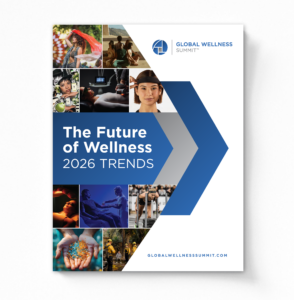
Discover the top 10 trends shaping the future of the global wellness economy.
Backed by more than a decade of trusted forecasting from the Global Wellness Summit, this annual report goes beyond trend spotting to deliver expert analysis, real-world implications, and strategic insight for leaders, innovators, and investors. Used worldwide to anticipate what’s next in wellness, this is the definitive guide to the forces that will shape the industry in 2026 and beyond.

- Women Get Their Own Lane in Longevity
- The Over-Optimization Backlash
- The Rise of Neurowellness
- Fragrance Layering
- Ready Is the New Well
- Skin Longevity Redefines Beauty
- The Festivalization of Wellness
- Women & Sports: The Revolution Continues
- Tackling Microplastics as a Human Health Issue
- Longevity Residences