
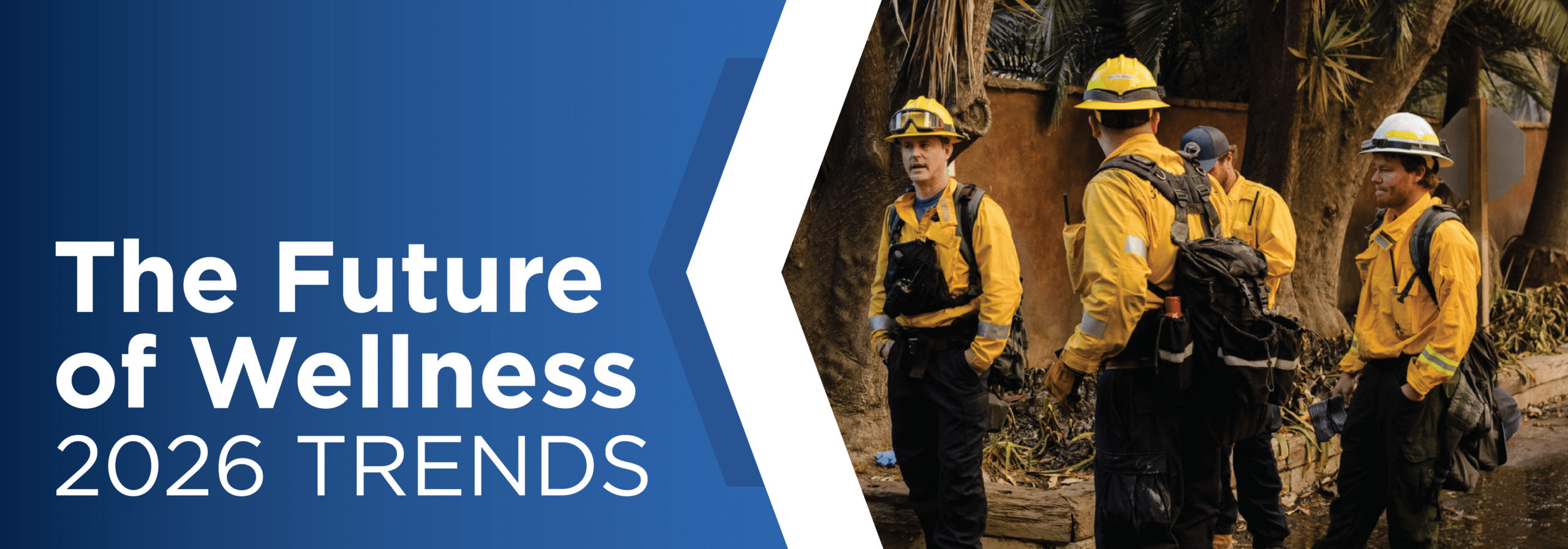

TREND #5: Ready Is the New Well
Preparing for climate disaster is the new preventative wellness
By Cecelia Girr & Skyler Hubler
Overview
Wellness has always promised protection—from disease, from burnout, from the slow erosion of mental health. But the next wave of wellness will promise something different: survival itself. Just as preventive medicine once transformed healthcare, disaster readiness is becoming the next evolution of everyday resilience, where having a disaster plan is as essential as having a fitness plan. This shift connects mental health, physical readiness and community interdependence into one continuum of care. The implications for the global wellness economy are vast. Gyms and fitness studios will double as emergency shelters; wellness retreats will teach readiness; and demand for disaster-proof architecture will surge. But perhaps the greatest opportunity lies in the industry’s ability to hold both sides of the psychological spectrum at once—supporting people who live in chronic fear of what might happen, while also caring for those navigating the emotional fallout of what already has. As disasters become inescapable, the most forward-thinking companies will prioritize practical, proven solutions that put people’s minds at ease.
Purchase Report | View All 10 Trends | GWS Writers Page
Ready Is the New Well: Key Questions & Answers
1. What does it mean to treat disaster preparedness as wellness?
It means redefining wellbeing to include readiness for disruption. Being “well” is no longer just about fitness or mindfulness. It’s also about having the tools, plans, and resilience to navigate emergencies, from wildfires to floods to power outages.
2. Why is preparedness becoming part of everyday life now?
Because extreme weather is no longer rare. As climate events become more frequent and visible, people are realizing that disruption is not hypothetical. It’s part of modern living, and preparation is becoming a practical form of self-care.
3. Is this just a rebrand of “prepper culture”?
Not quite. Traditional prepping was often rooted in fear and isolation. This new version is more grounded, social, and integrated into daily life. It’s less about bunkers and more about being informed, equipped, and connected.
4. How does disaster readiness connect to mental health?
Preparation can reduce anxiety. Studies show that taking even small steps, like building an emergency kit or making a plan, helps people feel more in control. In that sense, readiness becomes a form of emotional regulation, not just physical safety.
5. What is eco-anxiety, and how does this trend respond to it?
Eco-anxiety is the chronic fear or stress related to climate change. This trend shifts people from passive worry to active response. Instead of feeling overwhelmed, individuals can channel concern into practical actions that restore a sense of agency.
6. What does being “ready” actually look like today?
It can be simple: knowing evacuation routes, having a few days of supplies, tracking air quality, or using alert apps. Increasingly, it also includes understanding your environment and building habits that support resilience over time.
7. Why are wellness brands getting involved in preparedness?
Because wellness is expanding. Brands that once focused on fitness or mindfulness now see resilience as part of their role. Gyms may double as cooling centers. Retreats may teach survival skills. Apps may track both your health and your environment.
8. Is preparedness an individual responsibility or a collective one?
Both, but the trend is shifting toward collective resilience. Research shows that strong communities are the biggest factor in surviving disasters. Knowing your neighbors may matter as much as stocking supplies.
9. How is technology changing preparedness?
Technology is making it more accessible. Early warning apps, real-time alerts, and predictive tools are giving everyday people access to information that used to be limited to experts. Preparedness is becoming more proactive and data-driven.
10. What’s next for this trend?
Preparedness could become a visible marker of wellbeing, like fitness or sleep. We may see readiness scores, resilience education, climate-adaptive homes, and wellness spaces designed to function during crises. Being prepared won’t feel extreme. It will feel expected.
Meet the Authors

Cecelia Girr
LinkedIn | GWS writer page
Journalist & Cultural Strategy Director, Backslash, United States
Cecelia is both journalist and strategy director for Backslash, the cultural intelligence unit of Omnicom Advertising Group. She leads strategy for Backslash’s annual report of global cultural shifts, and is the co-founder of Backslash’s zine, ED\GE. During her time in brand strategy, she has worked across categories ranging from food and entertainment to telecommunications and technology. She has also led branding work and integrated campaigns for the Golden Globes, Postmates and UNICEF.

Skyler Hubler
LinkedIn | GWS writer page
Journalist & Senior Cultural Strategist, Backslash, United States
Skyler Hubler is a journalist and senior cultural strategist at Backslash, the cultural intelligence unit of Omnicom Advertising Group. In her role, she works across categories to help today’s biggest brands stay one step ahead of cultural change. She was also a staff writer on Backslash’s debut zine, ED\GE: Age of Wellness and has proudly contributed to the Global Wellness Summit’s annual trend report for five years.
Watch Author Video
From the 2026 New York Media Event
Discover the top 10 trends shaping the future of the global wellness economy.
Backed by more than a decade of trusted forecasting from the Global Wellness Summit, this annual report goes beyond trend spotting to deliver expert analysis, real-world implications, and strategic insight for leaders, innovators, and investors. Used worldwide to anticipate what’s next in wellness, this is the definitive guide to the forces that will shape the industry in 2026 and beyond.

- Women Get Their Own Lane in Longevity
- The Over-Optimization Backlash
- The Rise of Neurowellness
- Fragrance Layering
- Ready Is the New Well
- Skin Longevity Redefines Beauty
- The Festivalization of Wellness
- Women & Sports: The Revolution Continues
- Tackling Microplastics as a Human Health Issue
- Longevity Residences