

TREND #3: The Rise of Neurowellness
Regulating the nervous system is the next frontier of human health
By Heidi Moon
Overview
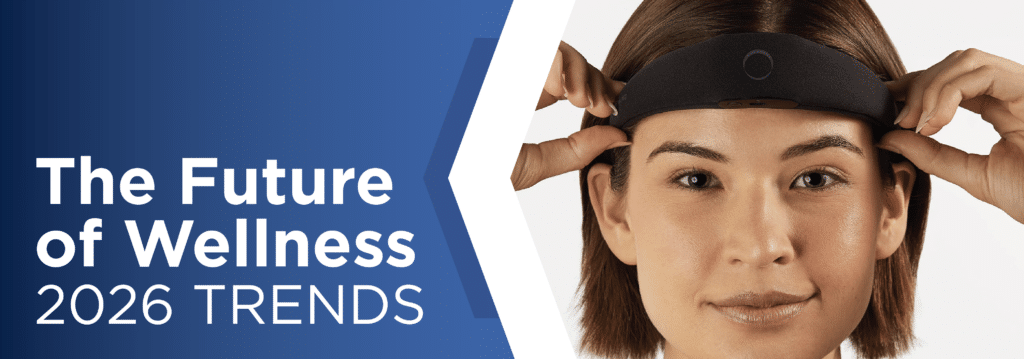
Neurowellness is moving from niche to mainstream as people realize one of their biggest health bottlenecks isn’t willpower, it’s nervous system overload. Sleep has become the on-ramp. Wearables turned a private struggle into a daily metric: “What’s your sleep score?” When scores stay low, the message is clear: the autonomic nervous system is stuck in low-grade fight-or-flight, showing up as fragmented sleep, anxiety, inflammation, brain fog, hormonal disruption and burnout. That visibility is driving a wave of interventions that go beyond supplements and mindset. “Hard-care” neurowellness is arriving through consumer-friendly neurotech: vagus nerve stimulation devices like Pulsetto, EEG-guided sleep tools like Elemind and neurofeedback platforms like Myndlift that bring nervous system training into therapists’ offices, not just homes. Flow’s recent FDA approval for an at-home neuromodulation device adds clinical momentum, signaling a path to reimbursement and wider adoption. At the same time, long-standing “soft-care” wellness anchors are being re-framed as nervous-system medicine: breathwork, touch therapy, yoga and Feldenkrais are increasingly recognized for their measurable effects on regulation, making them more mainstream, more repeatable and, in some settings, even prescribed. Next, expect brain–body research, including Stanford’s focus on whole-system connections, to push neurowellness into everyday spaces: mental health care, local fitness studios, hospitality, real estate and next-gen destination spas and clinics—making regulation a quietly built-in feature of modern life.
Purchase Report | View All 10 Trends | GWS Writers Page
The Rise of Neurowellness: Key Questions & Answers
1. What is neurowellness?
Neurowellness is an emerging field focused on regulating the nervous system to support whole-body health, resilience, and recovery. Rather than treating disease, neurowellness works upstream—helping the body shift out of chronic stress and into states that support sleep, immunity, cognition, emotional balance, and long-term health.
2. Why does nervous system regulation matter now?
Modern life keeps the nervous system in a near-constant state of low-grade “fight or flight.” Endless notifications, artificial light, work without boundaries, and chronic uncertainty prevent the body from fully recovering. When stress never turns off, it impacts sleep, mood, digestion, inflammation, immune function, and aging. Neurowellness matters because regulation is the foundation of health, not an add-on.
3. How is neurowellness different from mental health or mindfulness?
Mental health often focuses on emotional or psychological symptoms, while mindfulness emphasizes awareness. Neurowellness focuses on physiology—how the nervous system actually shifts between activation and recovery. It’s not just about feeling calm; it’s about restoring the body’s ability to self-regulate across sleep, stress, focus, and energy.
4. What is neuroregulation?
Neuroregulation refers to the nervous system’s ability to move fluidly between states of activation (sympathetic) and recovery (parasympathetic). A well-regulated system can respond to stress when needed—and fully recover afterward. Most neurowellness tools aim to improve this flexibility, not suppress stress entirely.
5. What role does the vagus nerve play in neurowellness?
The vagus nerve is the body’s main communication highway between the brain and major organs. It plays a key role in heart rate, digestion, inflammation, mood, and recovery after stress. Because it helps signal safety to the body, it has become a central focus in neurowellness research and practice.
6. What is vagus nerve stimulation (VNS)?
Vagus nerve stimulation (VNS) refers to techniques—both behavioral and technological—that activate vagal pathways to support parasympathetic “rest and repair.” This can include slow breathing, sound, vibration, touch, or non-invasive electrical stimulation delivered through the skin.
7. What are the leading at-home devices for nervous system regulation?
At-home neurowellness devices span several categories:
- Vagus nerve stimulation & sensory regulation: Pulsetto, Sensate, Neuvana, Nurosym
- Sleep & recovery wearables: Oura, WHOOP
- Brain sensing & neurofeedback: Muse, Myndlift
These tools aim to make nervous system state visible—and trainable.
8. Is neurowellness all about technology?
No. Some of the most powerful neurowellness tools are low-tech or no-tech: breathwork, somatic movement, touch therapies, sound, nature exposure, and sleep timing. Technology works best when it supports regulation without demanding attention.
9. How does sleep fit into neurowellness?
Sleep is the most visible signal of nervous system health. When the body feels safe, sleep deepens. When it doesn’t, sleep fragments. That’s why sleep has become the primary on-ramp into neurowellness, supported by wearables, circadian lighting, thermal regulation, and neuro-acoustic tools.
10. Why is neurowellness considered a major future growth area?
Neurowellness sits at the intersection of wellness, healthcare, technology, hospitality, real estate, and longevity. As stress, burnout, and sleep disruption become global norms, demand is shifting toward preventive, evidence-informed regulation tools that fit into daily life—not just clinical settings.
Other Resources Related to Neurowellness

How Wearable Data Is Rewriting the Rules of Human Performance, Longevity and Resilience
2025 Global Wellness Summit Keynote
Kristen Holmes, PhD, Global Head of Performance, Principal Scientist, WHOOP, United States

Cutting Edge Real Estate: Sustainability and Longevity for People and Planet
2025 Global Wellness Summit Keynote
Alex Zagrebelny, Founder & CEO, R.Evolution, United Arab Emirates

The Rise of Neurowellness
Wellness Master Class
By the Global Wellness Summit

Wellness + Senses: Multisensory Integration
The Future of Wellness 2023 Trend
By Ari Peralta
Meet the Author

Heidi Moon
LinkedIn | GWS writer page
VP Marketing & Communications, Global Wellness Summit & Global Wellness Institute, United States
With strong expertise in strategic business planning, management and communications, Heidi Moon is a trusted advisor in the business of wellness with three decades of experience in seven countries. She consults to, and has led, pioneering spas, integrative wellness centers and wellness real estate projects. As VP of Marketing & Communications for both GWS and GWI, she drives the global visibility of these two leading organizations, shaping narratives that influence the direction of the wellness industry. Heidi has an MBA from Columbia Business School and a BA in Economics.
Watch Author Video
From the 2026 New York Media Event
Discover the top 10 trends shaping the future of the global wellness economy.
Backed by more than a decade of trusted forecasting from the Global Wellness Summit, this annual report goes beyond trend spotting to deliver expert analysis, real-world implications, and strategic insight for leaders, innovators, and investors. Used worldwide to anticipate what’s next in wellness, this is the definitive guide to the forces that will shape the industry in 2026 and beyond.

- Women Get Their Own Lane in Longevity
- The Over-Optimization Backlash
- The Rise of Neurowellness
- Fragrance Layering
- Ready Is the New Well
- Skin Longevity Redefines Beauty
- The Festivalization of Wellness
- Women & Sports: The Revolution Continues
- Tackling Microplastics as a Human Health Issue
- Longevity Residences