
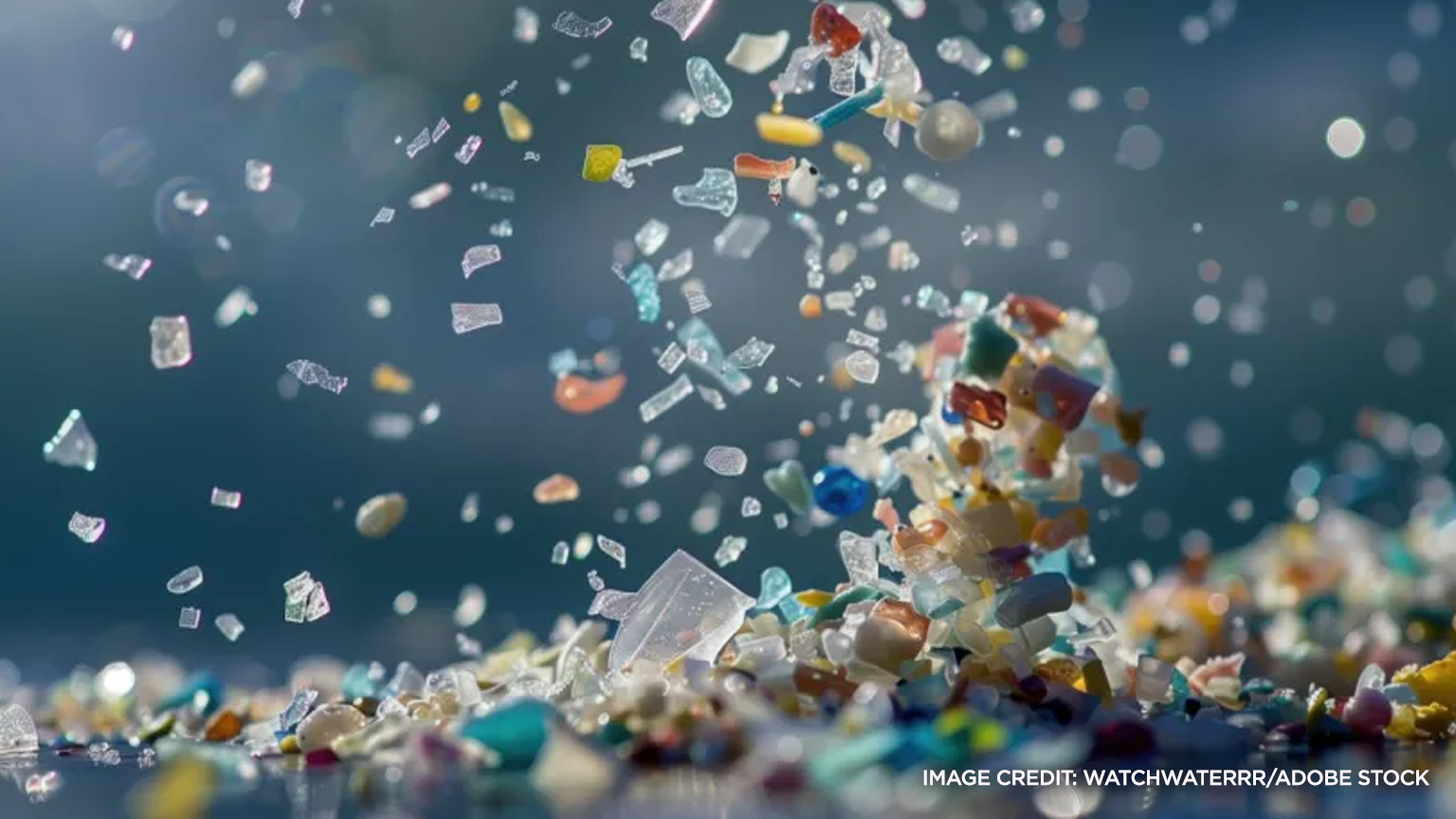

Trend: Tackling Microplastics as a Human Health Issue
Should You Worry About Microplastics in Your Clothes?—The New York Times
The latest target of the wellness world’s detox obsession? Our wardrobes. More consumers are rejecting polyester, nylon and other synthetic fibers, driven by concerns about microplastic exposure, clothing quality and personal health. Natural fabrics are becoming a new status symbol, while brands are tapping into the growing appetite for “clean” fashion and “healthier dressing.” The article explores how wellness culture is reshaping fashion, with personal health increasingly replacing environmental sustainability as a selling point—even as scientists caution that the health risks of wearing synthetic fabrics remain uncertain.
Supplement That Binds to Microplastics May Remove Them from Our Body—New Scientist
Could a supplement help prevent microplastics from entering the body? Researchers are investigating a postbiotic made from heat-treated bacteria that appears capable of binding to tiny plastic particles. Early laboratory research and a small human saliva experiment suggest the compound could reduce the amount of freely circulating microplastics in the mouth. It’s an intriguing new direction in microplastic mitigation, although much more research is needed to establish whether it can reduce exposure throughout the body or improve health outcomes.
I Tested My Blood for Microplastics. I Got a Number, but Few Answers—The Wall Street Journal
Microplastic testing is becoming a new frontier in personalized wellness—but what does a result actually mean? A Wall Street Journal journalist investigates the emerging market for tests that promise to measure plastic particles in the body, only to discover that the science of interpreting those numbers remains in its infancy. With no established benchmarks for healthy or dangerous levels, and no proven way to translate results into meaningful medical advice, the article exposes the gap between the growing consumer appetite for testing and the answers science can currently provide.
Toxins Plus Climate Harms Likely Cause of Reduced Fertility, Study Finds—The Guardian
The microplastics conversation is expanding into the complex relationship between environmental pollution and reproductive health. A review of 177 studies examines how exposure to endocrine-disrupting chemicals—including plastic-related compounds—may interact with climate-related stressors such as rising temperatures to affect fertility. Researchers warn that these combined exposures may be more damaging than either factor alone, adding urgency to calls for reducing environmental pollutants and understanding their cumulative effects on human health.
Can You Really ‘Detox’ From Plastic?—The New York Times
Netflix’s new documentary The Plastic Detox follows six couples struggling with unexplained infertility as they attempt to eliminate plastics from their daily lives, guided by environmental health researcher Shanna Swan. Over three months, they swap plastic food containers, personal care products and household items for alternatives, while researchers track chemical exposure and sperm counts. Three couples ultimately have babies, but experts caution that the small, uncontrolled experiment cannot establish whether reducing plastic exposure improved fertility. The article also makes an important distinction: While evidence linking plastic chemicals such as phthalates and bisphenols to reproductive and other health problems is substantial, the health effects of microplastics themselves remain much less understood. It’s a revealing look at both the growing appetite for a plastic-free lifestyle and the scientific uncertainty surrounding its benefits.
Naturbeads Secures $4.6 Million in EU Funding to Curb Microplastic Pollution with Biodegradable Microbeads—EU-Startups
While much of the wellness world is focused on removing microplastics from our bodies, innovators are increasingly targeting the problem at its source. UK-based Naturbeads has secured $4.6 million in EU funding to scale production of biodegradable, cellulose-based microbeads designed to replace plastic particles in cosmetics, personal care products and industrial applications. With a new manufacturing facility in Italy and tighter EU restrictions on intentionally added microplastics approaching, the company is part of a growing movement to redesign everyday products before plastic pollution enters the environment—or our bodies.
The Future of Wellness report goes in depth on ten trends that will transform wellness in 2026 and beyond. It can be purchased HERE.